Andela Taylor unread, 11:04 AM (3 hours ago) to
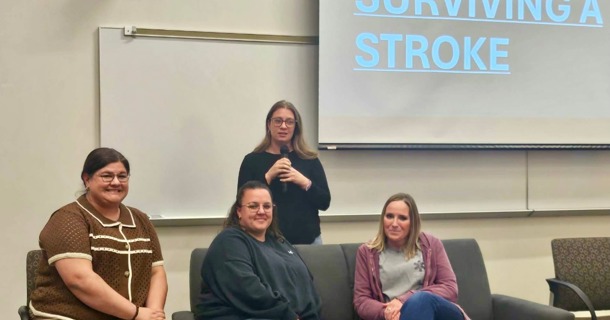
[email protected], Natalie Jones, Geitner Simmons, Russell Shaffer, Cheyanne Wood April 29, 2026 NCTA Staff Member Shares Stroke Survival Journey By Andela Taylor | NCTA News Cheyanne Wood was supposed to go to her cousin’s baby shower that morning. Instead, she found herself standing at her kitchen sink, feeling something she couldn’t explain. “I could feel my blood pressure rising… and then it was like sparks went off in my brain.” Within seconds, the sensation intensified. “It felt like somebody came up behind me, grabbed my spinal cord and ripped it out of my body.” Disoriented and in pain, she searched her symptoms. Stroke. She called 911. “I’m 31. I think I’m having a stroke. Please hurry.” Emergency responders arrived to find her alone with her children. While arrangements were made for their care, Cheyanne’s condition worsened. She began vomiting before the ambulance even left. From there, everything moved fast. A helicopter was called. Medical teams prepared for immediate transport. Somewhere between the ambulance and the flight, reality began to blur. “I’m Cheyanne… I think I had a stroke this morning.” “I think you’re having one right now.” That was one of the last moments she clearly remembers. On Nov. 15, 2025, Cheyanne suffered a hemorrhagic stroke, a type of stroke caused by a ruptured blood vessel in the brain. Though less common than ischemic strokes, hemorrhagic strokes are often more severe and can become life-threatening within minutes. “About 35–52% of patients don’t survive a hemorrhagic stroke, many within days or weeks,” she later shared. “I survived.” She spent three days in intensive care and 16 days in inpatient rehabilitation. When she began to understand what had happened, the reality was stark. She had lost motor control on the left side of her body and part of her vision. In those early days, one thing stood out clearly—gratitude. “I am so grateful for the paramedics, the nursing staff, and the doctors at CHI Good Samaritan. They took very good care of me.” Her recovery didn’t happen all at once. It came in phases. A Recovery Measured in Milestones Chey’s recovery unfolded over time—each phase building strength, independence and confidence. Within two weeks: Began walking again, covering short distances without a walker and starting treadmill work in therapy. She also regained independence in essential daily tasks. By three weeks: Discharged from inpatient rehabilitation and returned home to her family. Around one month: Reached key physical and emotional turning points, including regaining vision in her left eye. By six to eight weeks: Focused on rebuilding balance, coordination and core strength while improving overall mobility. At two months: Returned to work on a part-time basis, marking a major step toward a normal routine. Beyond two months: Advanced from walking to light jogging, setting goals to improve movement on her left side. As the weeks passed, the milestones became less about firsts and more about strength, endurance and perspective. But her journey didn’t stop at recovery. It turned into purpose. On March 24, Chey organized and hosted a campus event at the Nebraska College of Technical Agriculture focused on stroke awareness, stress and mental health. What began as a planned panel evolved into a conversation centered on recognizing stress in others and understanding the warning signs of stroke. “We all know the saying, ‘See something, say something,’” she shared. “I think it should be, ‘See someone, support someone.’” In March, she also reached another milestone by returning to work more regularly, continuing to rebuild both physically and mentally. At the same time, recovery has remained an ongoing process. Recent updates reflect continued medical follow-up, including lab work, testing and monitoring related to brain function. She has also been open about the emotional side of recovery. After experiencing a headache, she shared the anxiety that followed—the immediate fear that it could signal another stroke. In that moment, something as simple as relief from medication brought reassurance, but also highlighted the lasting mental impact of what she had endured. More recently, she has asked for continued prayers as she works through challenges related to thalamus function—another reminder that recovery is not always linear. Today, more than four months into recovery, Chey continues to push forward, focused not only on regaining strength, but on helping others recognize the importance of awareness, support and early action. “Know the warning signs. Be prepared. B.E.F.A.S.T. Knowing this could save someone’s life—or your own. It saved mine.” Her journey is still unfolding, shaped by resilience, perspective and determination. “I will never give up on myself—because I am worth it.” Cheyenne continues to share her progress on her Facebook page @Chey Lynne Wood. Cheyenne Wood presents her stroke story at NCTA, along with the panel she organized with Ambience Counseling licensed mental health professional, Kristina Messersmith, and Eustis EMTs Lacey Parker and Becky Busboom. P/C J. McConville
Cheyanne Wood was supposed to go to her cousin’s baby shower that morning.
Instead, she found herself standing at her kitchen sink, feeling something she couldn’t explain.
“I could feel my blood pressure rising… and then it was like sparks went off in my brain.”
Within seconds, the sensation intensified.
“It felt like somebody came up behind me, grabbed my spinal cord and ripped it out of my body.”
Disoriented and in pain, she searched her symptoms.
Stroke.
She called 911.
“I’m 31. I think I’m having a stroke. Please hurry.”
Emergency responders arrived to find her alone with her children. While arrangements were made for their care, Cheyanne’s condition worsened. She began vomiting before the ambulance even left.
From there, everything moved fast.
A helicopter was called. Medical teams prepared for immediate transport. Somewhere between the ambulance and the flight, reality began to blur.
“I’m Cheyanne… I think I had a stroke this morning.”
“I think you’re having one right now.”
That was one of the last moments she clearly remembers.
On Nov. 15, 2025, Cheyanne suffered a hemorrhagic stroke, a type of stroke caused by a ruptured blood vessel in the brain. Though less common than ischemic strokes, hemorrhagic strokes are often more severe and can become life-threatening within minutes.
“About 35–52% of patients don’t survive a hemorrhagic stroke, many within days or weeks,” she later shared. “I survived.”
She spent three days in intensive care and 16 days in inpatient rehabilitation. When she began to understand what had happened, the reality was stark. She had lost motor control on the left side of her body and part of her vision.
In those early days, one thing stood out clearly—gratitude.
“I am so grateful for the paramedics, the nursing staff, and the doctors at CHI Good Samaritan. They took very good care of me.”
Her recovery didn’t happen all at once.
It came in phases.
A Recovery Measured in Milestones
Chey’s recovery unfolded over time—each phase building strength, independence and confidence.
Within two weeks: Began walking again, covering short distances without a walker and starting treadmill work in therapy. She also regained independence in essential daily tasks.
By three weeks: Discharged from inpatient rehabilitation and returned home to her family.
Around one month: Reached key physical and emotional turning points, including regaining vision in her left eye.
By six to eight weeks: Focused on rebuilding balance, coordination and core strength while improving overall mobility.
At two months: Returned to work on a part-time basis, marking a major step toward a normal routine.
Beyond two months: Advanced from walking to light jogging, setting goals to improve movement on her left side.
As the weeks passed, the milestones became less about firsts and more about strength, endurance and perspective.
But her journey didn’t stop at recovery.
It turned into purpose.
On March 24, Chey organized and hosted a campus event at the Nebraska College of Technical Agriculture focused on stroke awareness, stress and mental health. What began as a planned panel evolved into a conversation centered on recognizing stress in others and understanding the warning signs of stroke.
“We all know the saying, ‘See something, say something,’” she shared. “I think it should be, ‘See someone, support someone.’”
In March, she also reached another milestone by returning to work more regularly, continuing to rebuild both physically and mentally.
At the same time, recovery has remained an ongoing process. Recent updates reflect continued medical follow-up, including lab work, testing and monitoring related to brain function.
She has also been open about the emotional side of recovery. After experiencing a headache, she shared the anxiety that followed—the immediate fear that it could signal another stroke. In that moment, something as simple as relief from medication brought reassurance, but also highlighted the lasting mental impact of what she had endured.
More recently, she has asked for continued prayers as she works through challenges related to thalamus function—another reminder that recovery is not always linear.
Today, more than four months into recovery, Chey continues to push forward, focused not only on regaining strength, but on helping others recognize the importance of awareness, support and early action.
“Know the warning signs. Be prepared. B.E.F.A.S.T. Knowing this could save someone’s life—or your own. It saved mine.”
Her journey is still unfolding, shaped by resilience, perspective and determination.
“I will never give up on myself—because I am worth it.”
Cheyenne continues to share her progress on her Facebook page @Chey Lynne Wood.