


Holiday Meals on a Budget: Eating well without overspending
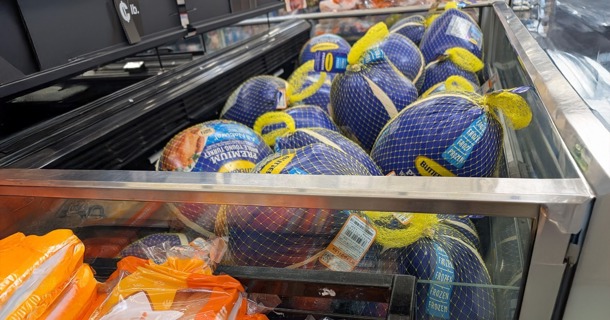
As the calendar turns to the last month of 2025, many families are looking forward to the holiday season spent with family, friends, and food. But with grocery prices still higher than usual, many households are searching for ways to stretch their food dollars without sacrificing the joy of a special meal. The good news? A meaningful holiday table doesn’t require a big budget, just thoughtful planning and a few creative strategies.
Shop Smarter, Stress Less
Whether you are shopping online or in-store, holiday shopping can be stressful—not only on your wallet but also on your mind. Here are some ways to tackle stress this holiday season:
*Buying in bulk isn’t always the cheaper option. Check the cost per ounce, pound, or unit rather than assuming bulk is more affordable.
*Read nutrition labels to find items with lower sodium, saturated fat, trans fat, and added sugars.
*Stick to your grocery list. Take the time to plan your menu and write down the ingredients you need.
*Use reward points or look for sales on specific food items.
*Buy generic or store-brand items.
*Avoid convenience foods (premade or preprepared items), which often cost more.
*Don’t shop hungry!
For more resources, visit: https://thedishrealtalk.com/
Building a Holiday Meal for Under $20
Depending on how many people you’re preparing a meal for, the best place to start your menu planning is by choosing a protein source. Protein is typically the most expensive part of a meal, so selecting affordable options can significantly reduce your total cost. When shopping for meat, be sure to compare the cost per serving, not the cost per pound. Budget-friendly protein sources include less tender cuts of beef, such as round, chuck, or shoulder; specific cuts of chicken; small boneless hams; dry or canned beans; eggs; and even canned seafood, such as tuna or salmon. You can often stretch your budget even further by watching for holiday sales, or purchasing family-sized or value packs, and freezing what you don’t use right away.
Once you’ve selected a protein, build the rest of your menu around affordable staples like potatoes, carrots, beans, rice, oats, and seasonal squash. These foods keep costs low while still offering comfort and flavor. In addition to shopping holiday sales, consider choosing store-brand items, comparing unit prices, and using loyalty rewards to save even more.
Before heading to the store, take a quick inventory of what’s already in your pantry or freezer. Using ingredients you already have can spark menu ideas, reduce food waste, and keep your holiday meal well under $20. For larger gatherings, asking guests to bring a dish can also help stretch your budget and create a sense of shared community.
Waste-Reducing Tips
One of the best things about holiday food is stretching leftovers into future meals, but proper storage is key to keeping food safe. The last thing anyone wants is for someone to become ill during the holidays from a foodborne illness.
Always wash your hands before handling any food.
Refrigerate leftovers, especially meat, poultry, cooked foods, cheese, and cut-up fruits and vegetables, within two hours. Any food left out for longer than two hours should be discarded.
Leftovers typically last up to four days in the refrigerator or 2–4 months in the freezer.
Plan ahead for how you’ll use leftovers. Turn them into soups, sandwiches, or breakfast casseroles to help stretch your holiday food budget.
When reheating leftovers, ensure the internal temperature reaches 165°F.
With a bit of thought and creativity, you can enjoy a delicious holiday meal that fits your budget and nourishes the spirit of the season. For more tips on using leftovers, visit food.unl.edu and search “leftovers.”
The holidays don’t have to be expensive or overwhelming to feel special. By planning, stretching what you have, and using thoughtful strategies to save money and reduce waste, you can create a holiday meal that brings satisfaction without the stress. Small choices can have a significant impact—both on your budget and on your peace of mind.
###
Nebraska Extension is a Division of the Institute of Agriculture and Natural Resources at the University of Nebraska–Lincoln cooperating with the Counties and the United States Department of Agriculture. Nebraska Extension educational programs abide with the nondiscrimination policies of the University of Nebraska–Lincoln and the United States Department of Agriculture.